

Modern buyers are sharp. They can spot a sales pitch from a mile away, and when they do, their guard goes up instantly. Pop-ups, countdown timers, aggressive DMs—most of us have learned to tune them out. The truth is, selling today works best when it doesn’t feel like selling at all. The most effective brands don’t push; they guide. They don’t pressure; they position. That’s where the idea of the invisible funnel comes in—a strategic journey that moves people from awareness to purchase so smoothly they barely notice it happening.
Build Authority Before You Build an Offer
The invisible funnel starts long before a product is presented. It begins with trust. Businesses that focus on educating, entertaining, or inspiring their audience naturally create authority in their space. A well-positioned brand, much like a trusted Gold Coast marketing agency that consistently shares valuable insights online, becomes a go-to resource before it ever makes an offer. When your audience already respects your expertise, the transition from helpful content to a paid solution feels logical rather than transactional. Authority softens resistance and makes the buying decision feel self-directed.
Create Content That Solves Micro-Problems
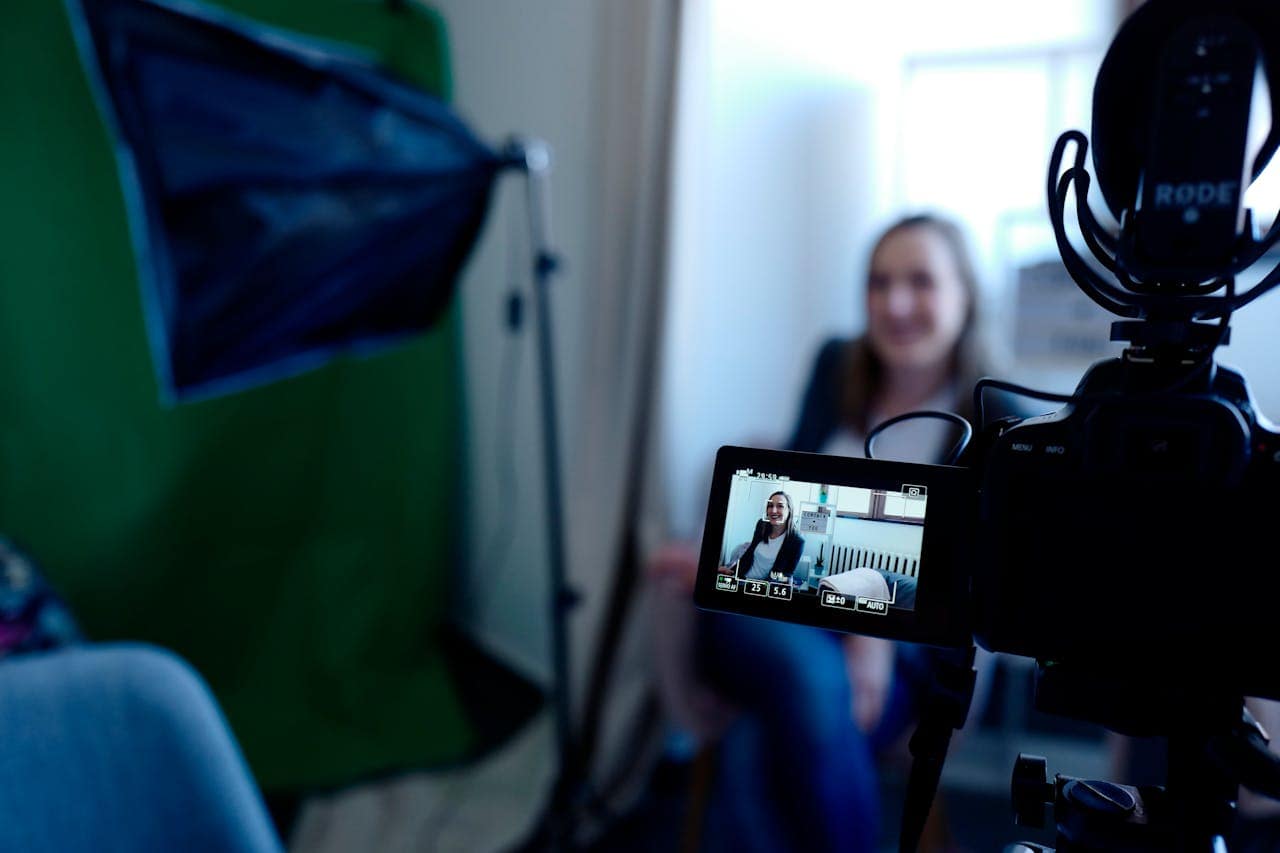
People rarely wake up ready to buy. They wake up with small frustrations and unanswered questions. The invisible funnel works by addressing these micro-problems first. A helpful blog post, a short video, or a practical social media tip builds momentum. Each solved problem increases trust and keeps your audience engaged. Over time, they begin associating your brand with clarity and progress. By the time you introduce a larger paid solution, it feels like a natural next step rather than a sales pitch. You’re not convincing them to buy; you’re continuing a conversation that’s already delivering value.
Let Storytelling Do the Heavy Lifting
Stories are persuasive without feeling persuasive. When you share client journeys, personal experiences, or behind-the-scenes insights, you create an emotional connection. Instead of listing features, you demonstrate transformation. A story allows readers to see themselves in the outcome. It shifts the focus from what you’re selling to what they could achieve. This approach lowers skepticism because it doesn’t feel like marketing copy—it feels human. In an invisible funnel, storytelling becomes the bridge between awareness and desire, moving people forward without overt persuasion.
Design a Natural Next Step
An invisible funnel isn’t invisible by accident—it’s intentionally structured. Every piece of content should gently point toward a logical next action. That might be subscribing to a newsletter, downloading a guide, or watching a deeper training. The key is alignment. The next step must feel like a continuation of the current experience, not a sharp turn into a checkout page. When progression feels seamless, people follow through willingly. Instead of being pushed, they’re simply moving forward because it makes sense.
Focus on Conversations, Not Conversions

Brands that obsess over conversion rates often end up sounding robotic. Invisible funnels prioritize relationships. When you respond to comments, ask thoughtful questions, and create interactive content, you build familiarity. Familiarity builds comfort, and comfort builds trust. Over time, that trust converts more effectively than any limited-time discount ever could. By shifting your mindset from “How do I close this sale?” to “How do I deepen this relationship?” you create an environment where sales happen organically. Conversations open doors that cold pitches slam shut.
Selling without looking like you’re selling isn’t about hiding your offer. It’s about earning attention, building trust, and guiding people toward a decision they already feel good about. The invisible funnel works because it respects the buyer’s intelligence. When you lead with value, communicate with authenticity, and design intentional next steps, sales become a by-product of connection rather than pressure. In a world saturated with noise, subtle strategy isn’t just refreshing—it’s remarkably effective.